Journal Entry: Singing at the Blue Note Tokyo
Dear Virtuosi,
Blue Note Tokyo calls for grace, where every note finds its place.
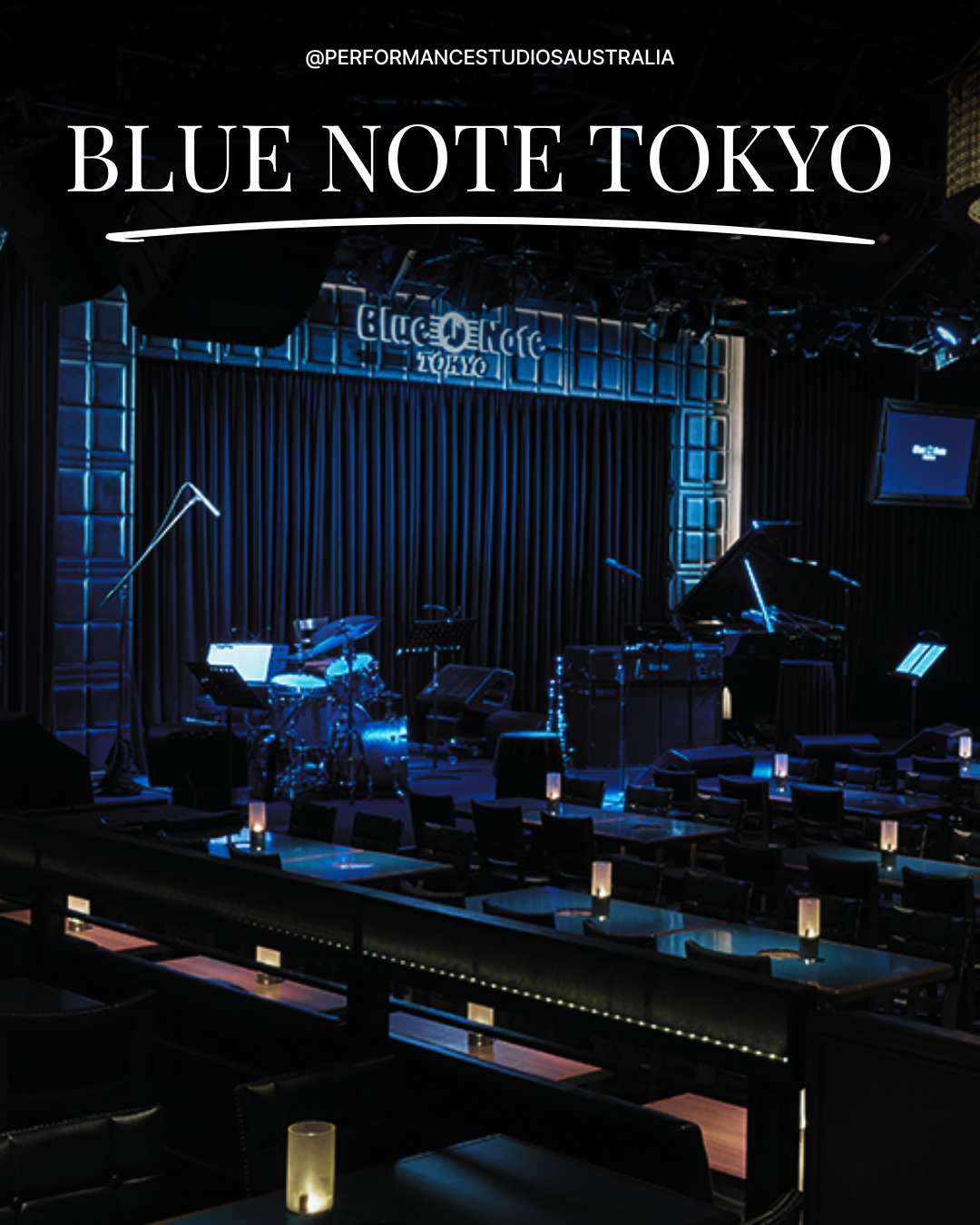
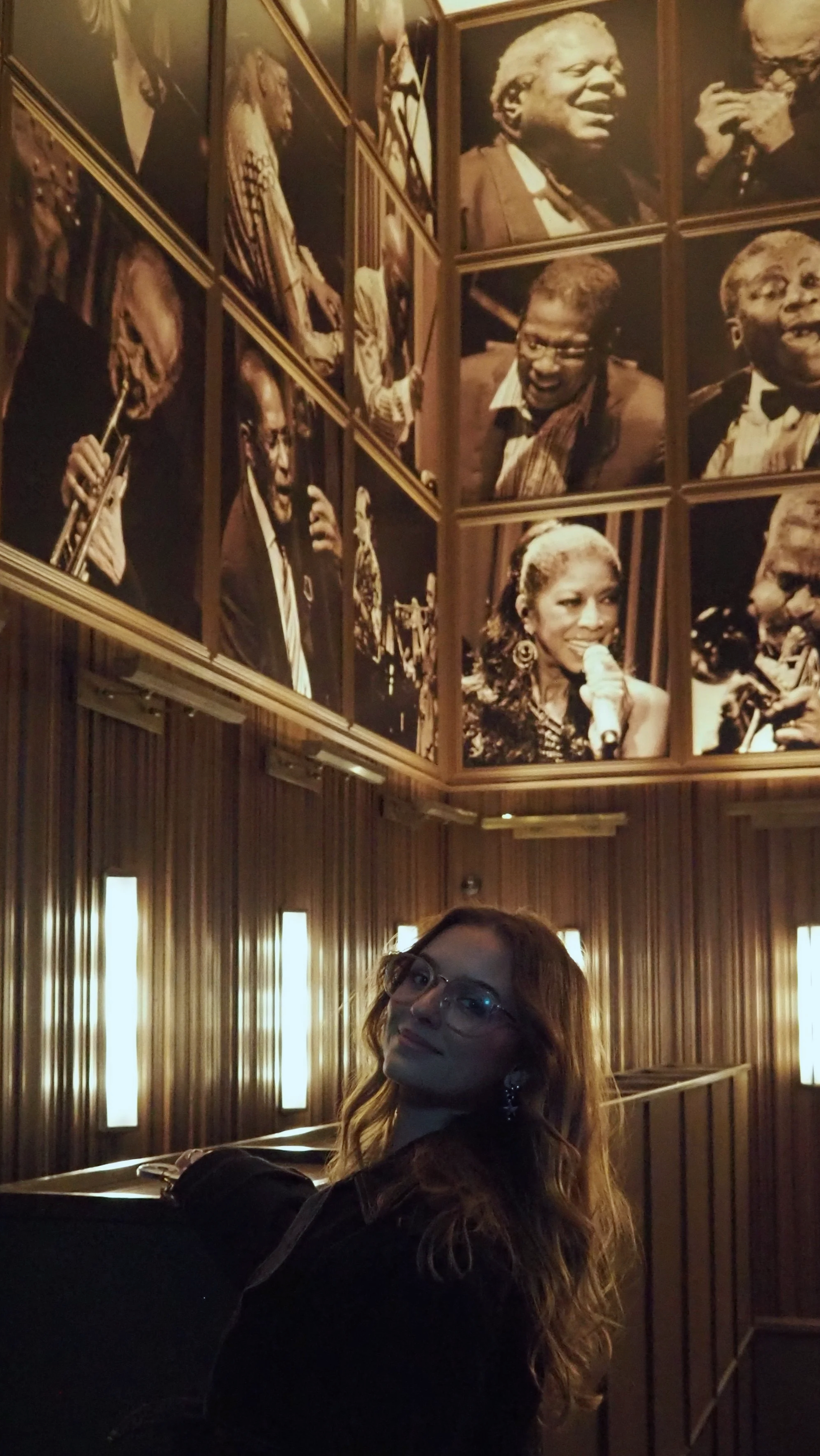
Modelled after the original Blue Note in New York, Blue Note Tokyo has become a landmark destination for world-class jazz, soul, and contemporary music since opening in 1988. With its close-up seating, elevated dining experience, and beautifully transparent acoustics, the room creates an environment where every detail is heard and felt — from the smallest breath between phrases to the subtle dialogue between vocalist and band. Artists such as Chick Corea, Chaka Khan, Herbie Hancock, and Cécile McLorin Salvant have all performed here, contributing to its reputation as a space where musicians are fully exposed. At Blue Note Tokyo, there is nowhere to hide.
Non-Verbal Leadership
“At Blue Note Tokyo, leadership happens in silence and every cue is physical.”
At Blue Note Tokyo, performance leadership is often silent. With world-class musicians on stage and a highly attentive audience just metres away, the singer’s ability to communicate without words becomes essential. Eye contact, breath timing, posture shifts, and subtle physical cues all shape how the music unfolds in real time. A well-placed glance can cue an entrance, a shared breath can shape a phrase, and stillness can hold the entire room in anticipation. In this environment, over-explaining or directing verbally can interrupt the musical flow; instead, authority is expressed through presence and clarity of intention. The most effective performers are those who lead without drawing attention to the act of leading — allowing trust, responsiveness, and musical intuition to guide the ensemble.
Setlist Storytelling
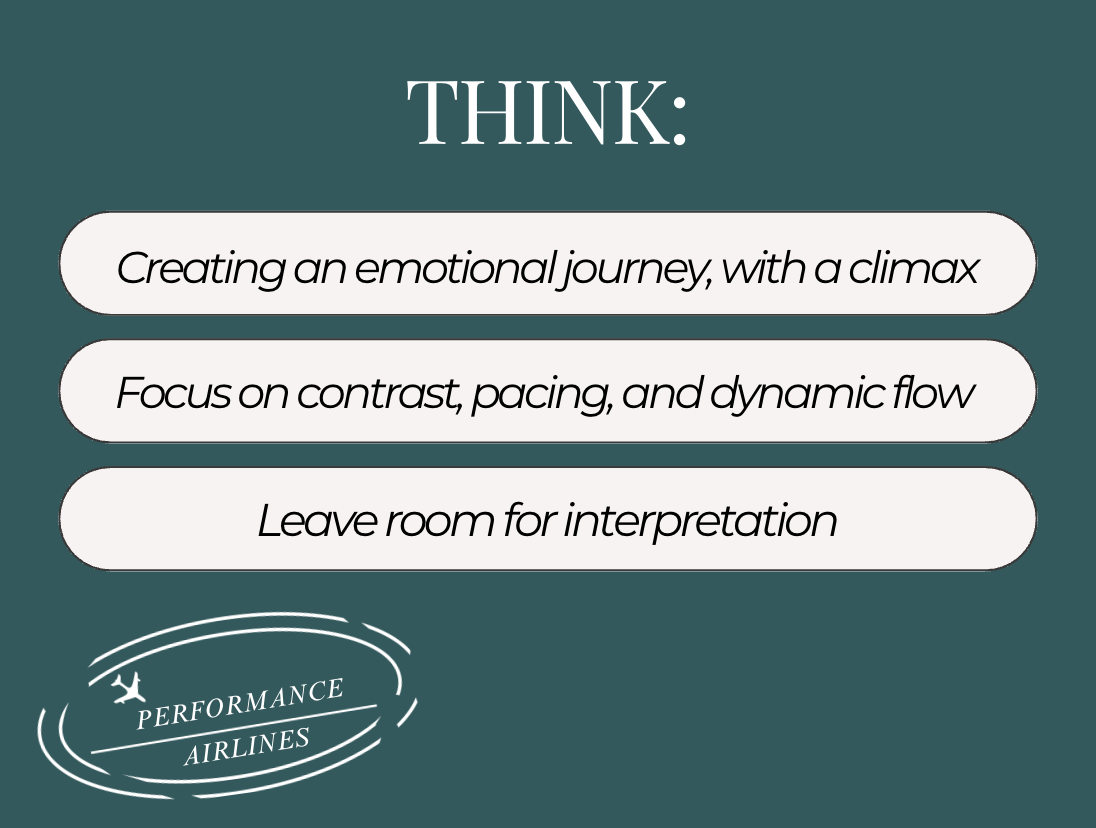
“Here, a setlist is not a list of songs, it is a carefully shaped emotional journey.”
P.S…. Here is Miss Grace at Blue Note Tokyo 2025!
At Blue Note Tokyo, a setlist it is an emotional narrative carefully shaped over duration of the gig. Every choice contributes to a larger arc, where contrast, pacing, and dynamic contour matter as much as individual vocal moments. This is a venue that rewards singers who think like curators, selecting material that supports intimacy and musical conversation. A well-constructed set might begin with restraint, gradually opening into deeper emotional territory. Even familiar songs must be reimagined through a personal lens, offering the audience something recognisable yet newly alive. In this space, storytelling is not only lyrical — it is structural, emotional, and deeply intentional.
Stylistic Literacy
“Jazz is in the soul of Blue Note Tokyo.”
Blue Note Tokyo exists within a rich lineage of jazz, soul, and contemporary fusion, and performers are expected to engage with that language in a meaningful way. Stylistic authenticity demands awareness — an understanding of groove, phrasing, and expressive timing that aligns with the musical culture of the room. Singers must know when to lean behind the beat, when to simplify ornamentation, and when space is more powerful than embellishment. Even in pop or crossover repertoire, the delivery should reflect an ear for nuance and an instinct for musical conversation. Authenticity is not imitation; it is respect expressed through listening, restraint, and informed choice. At Blue Note Tokyo, style is not added on top of the music — it is woven into how the music breathes.